
SK Hynix Begins Trading on Nasdaq in the Largest US Listing Ever by a Foreign Company
SK Hynix's $26.5 billion Nasdaq debut becomes the largest US listing ever by a foreign company, with shares up 6% on record AI memory chip demand.
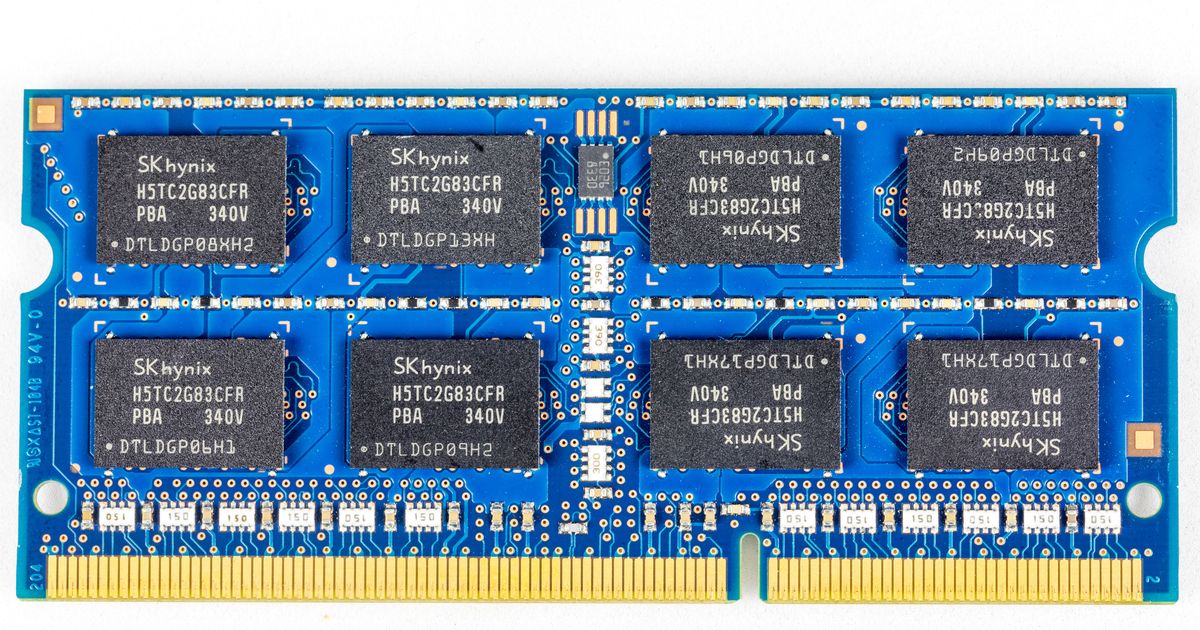
SK Hynix began trading on the Nasdaq on Friday after pricing 177.9 million American depositary shares at $149 each, raising roughly $26.5 billion in the largest US equity listing ever by a foreign company. The stock rose as much as 6% to near $158 within hours of its debut under the temporary ticker SKHYV, ahead of a move to the permanent ticker SKHY on Monday.
What Happened
The South Korean chipmaker issued new common shares against a 10:1 ADR ratio, a primary capital raise rather than a sale by existing holders. Bookbuilding demand ran seven times the shares on offer this week, according to Bloomberg and Reuters reporting.
The offering surpasses Alibaba's $21.8 billion New York listing from 2014 and ranks as the second-largest foreign share sale on any US exchange, behind only SpaceX's Nasdaq debut a month earlier. Proceeds are earmarked for new fabrication plants and advanced packaging facilities in South Korea, along with 11.9 trillion won of EUV lithography equipment through 2027.
Key figures:
- $26.5 billion raised at $149 per ADS
- 177.9 million shares sold, 7x oversubscribed
- Second-largest foreign listing in US history, after SpaceX
Why It Matters
SK Hynix controls 56.4% of the global high-bandwidth memory market, the chips that feed Nvidia's AI processors. Until Friday, the only way to hold the stock directly was through its primary listing in Seoul. The Nasdaq listing gives US-domiciled funds and retail brokerages a second, dollar-denominated route into that supply chain.
That matters for anyone holding broad emerging-market or semiconductor exposure through index funds. South Korea's outsized weight in MSCI's emerging-market benchmarks already drove a wide performance gap between major EM ETFs this year, and a Nasdaq-listed SK Hynix adds a second channel through which the same underlying business shows up in a portfolio. Investors tracking net worth across both a Kospi-linked fund and a US brokerage account may now be holding overlapping exposure to the same company without realising it.
Analysts also flagged a caution alongside the enthusiasm: memory-chip markets have a history of sharp boom-bust cycles, and a $26.5 billion capital raise at the top of a demand cycle carries execution risk if AI memory pricing cools.
What to Watch Next
The ADS is not yet large enough to qualify for fast-track entry into the Nasdaq-100, which requires a US market value above $100 billion. A realistic path to index inclusion is the benchmark's December 2026 reconstitution, the point at which passive funds would be forced to buy the stock regardless of view.
The dual listing also opens a Seoul-New York arbitrage channel: any persistent gap between the Seoul-listed shares and the Nasdaq ADS price is likely to draw trading activity once the ADR settles into regular trading on Monday.
Portfolio trackers that consolidate Nordic brokerage holdings alongside US-listed ADRs can help investors see this kind of overlapping exposure clearly, rather than treating a Seoul-listed position and a Nasdaq-listed ADR as unrelated holdings.
Keep reading
Related trends
John Ternus Becomes Apple CEO as Tim Cook Steps Into Chairman Role
John Ternus becomes Apple CEO on September 1, ending Tim Cook's 15-year run, as investors weigh what the leadership change means for index-heavy portfolios.
Nvidia Jumps 7% on Blowout Earnings, Deepening Its Grip on the S&P 500
Nvidia's fiscal second-quarter results and a 70% revenue growth forecast lifted global chip stocks and pushed its S&P 500 weighting toward a record 7.8%.

Shein Prices Hong Kong IPO at $27 Billion, Down 70% From Its Private Peak
Shein's Hong Kong IPO values the fast-fashion retailer at up to $27bn, a 70% drop from its 2022 peak, after failed listings in New York and London.
Your complete net worth, finally in one place.
Join investors using Findex to consolidate, track, and grow their portfolios. One view of everything you own.
No payment information required.