
Magnificent Seven Logs Worst Month Since 2023 as Capital Flows to AI Memory Suppliers
The Roundhill MAGS ETF is on track for its steepest monthly drop since launch as investors exit Magnificent Seven stocks and rotate into memory chip suppliers.
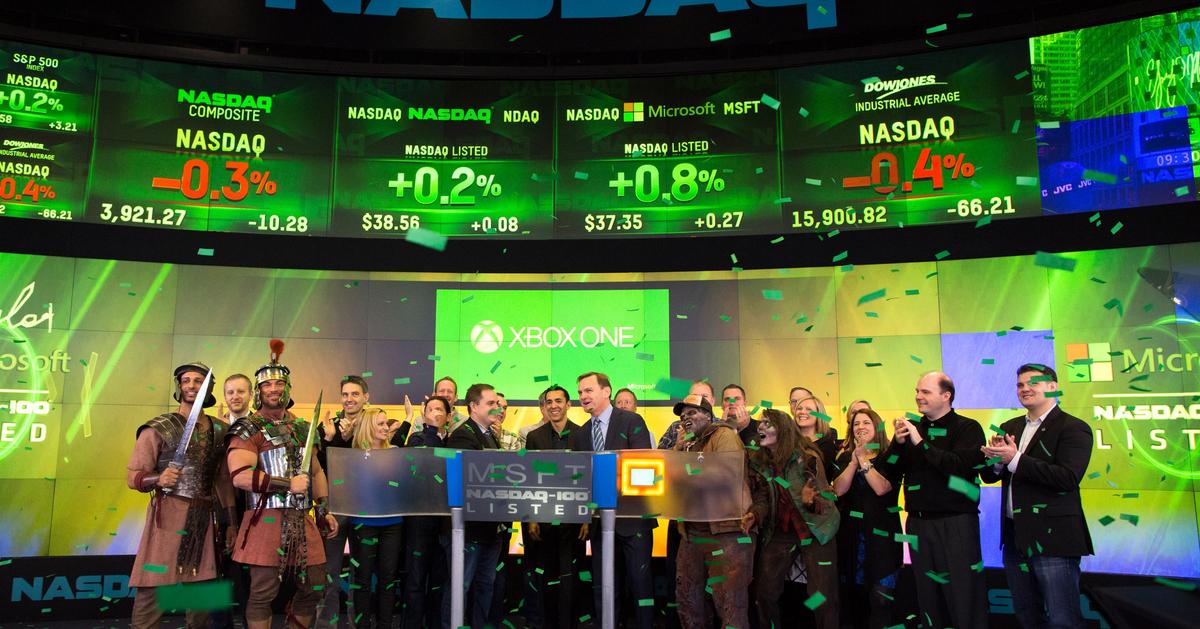
The Roundhill Magnificent Seven ETF (MAGS) is heading for its steepest monthly decline since the fund launched in April 2023, as investors question whether the $700 billion in AI infrastructure spending planned for 2026 will produce visible returns.
Every constituent is lower in June by high single digits or more. Microsoft is the group's worst performer, on pace for its steepest monthly fall since December 2000. The ETF is down 11% from its record closing high of $70.94, reached on 14 May.
What Happened
Investors have been pulling money from the MAGS ETF throughout June, with cumulative outflows exceeding $1 billion during what traders have labelled the group's "Black June."
The capital is not leaving equities. It is moving from AI buyers to AI suppliers. The Roundhill Memory ETF (DRAM), which tracks Micron, South Korea's SK Hynix, and Samsung, has taken in $24 billion in assets since its April 2026 launch. Memory chip prices are rising as demand from hyperscale data centres outpaces supply.
- MAGS ETF: down 11% from its 14 May record, on track for worst month since April 2023 launch
- Microsoft: worst performer in the group; worst monthly drop since December 2000
- Hyperscaler capex: Microsoft, Amazon, Alphabet and Meta plan more than $700 billion in AI infrastructure spending for 2026
- DRAM ETF: $24 billion in assets gained since April 2026 launch
- Nasdaq Composite: down 4.6% last week
Why It Matters
The central tension is timing. The four largest hyperscalers have been spending aggressively on AI infrastructure for four consecutive quarters, with margins under pressure and no clear guidance on when incremental revenue will materialise. Microsoft guided capital expenditure toward $190 billion for 2026, about 61% above the prior year, while warning that operating margins would fall toward 44%.
Investors have stopped rewarding that spending on faith. The Shiller cyclically adjusted price-to-earnings ratio for the US market has crossed 40 for the first time since the dot-com era, a level that has amplified caution across institutional allocators.
The rotation into memory chip suppliers reflects a simpler thesis: the companies being paid to build AI infrastructure have more predictable near-term earnings than the companies paying for it.
What to Watch
June 30 marks the close of Q2 2026, and institutional quarter-end rebalancing is in progress. Pension funds and balanced mandates trimming gains from April and May have added mechanical selling pressure on top of the discretionary outflows. S&P 500 futures opened modestly higher on 29 June, suggesting a brief relief move as the quarter closes.
Passive holders of the S&P 500 and Nasdaq 100 absorb the full weight of Magnificent Seven moves. The group's combined index weight remains above 30%, meaning broad equity fund performance this month has been materially affected by a single narrative: AI spending without a visible payoff date.
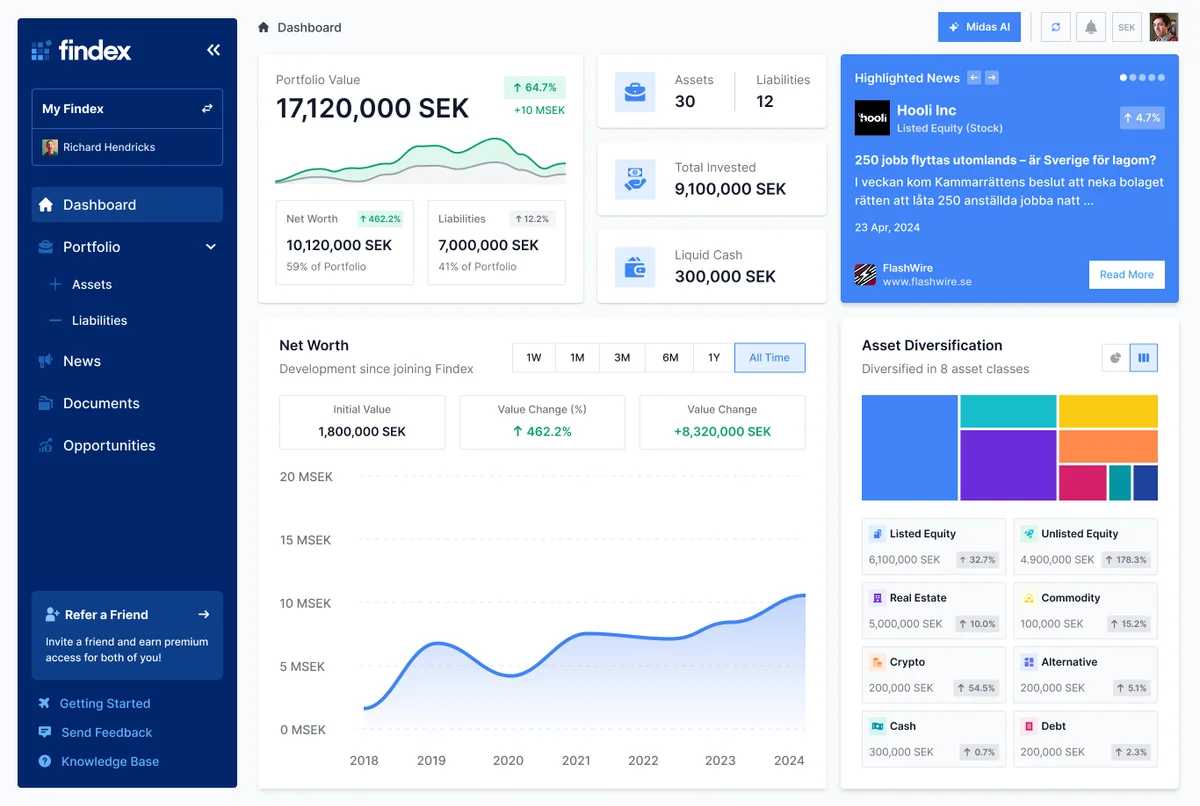
Portfolio trackers that monitor equity concentration across providers offer a clearer read on how sector rotation affects overall net worth in real time.
Keep reading
Related trends
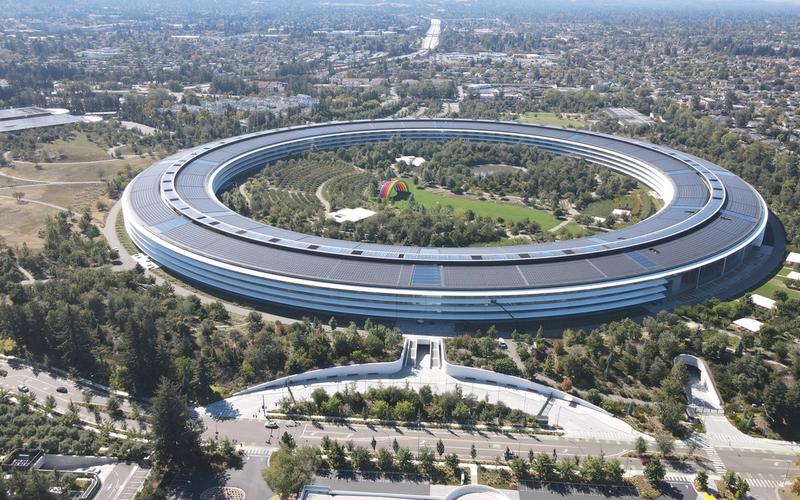
John Ternus Becomes Apple CEO as Tim Cook Steps Into Chairman Role
John Ternus becomes Apple CEO on September 1, ending Tim Cook's 15-year run, as investors weigh what the leadership change means for index-heavy portfolios.
Nvidia Jumps 7% on Blowout Earnings, Deepening Its Grip on the S&P 500
Nvidia's fiscal second-quarter results and a 70% revenue growth forecast lifted global chip stocks and pushed its S&P 500 weighting toward a record 7.8%.

Shein Prices Hong Kong IPO at $27 Billion, Down 70% From Its Private Peak
Shein's Hong Kong IPO values the fast-fashion retailer at up to $27bn, a 70% drop from its 2022 peak, after failed listings in New York and London.
Your complete net worth, finally in one place.
Join investors using Findex to consolidate, track, and grow their portfolios. One view of everything you own.
No payment information required.