
Oil Falls as US-Iran Talks Signal a Hormuz Deal Is Possible
Brent crude fell 6.2% to $97.10 on Monday as the US and Iran signalled progress toward a deal to reopen the Strait of Hormuz, lifting emerging markets.
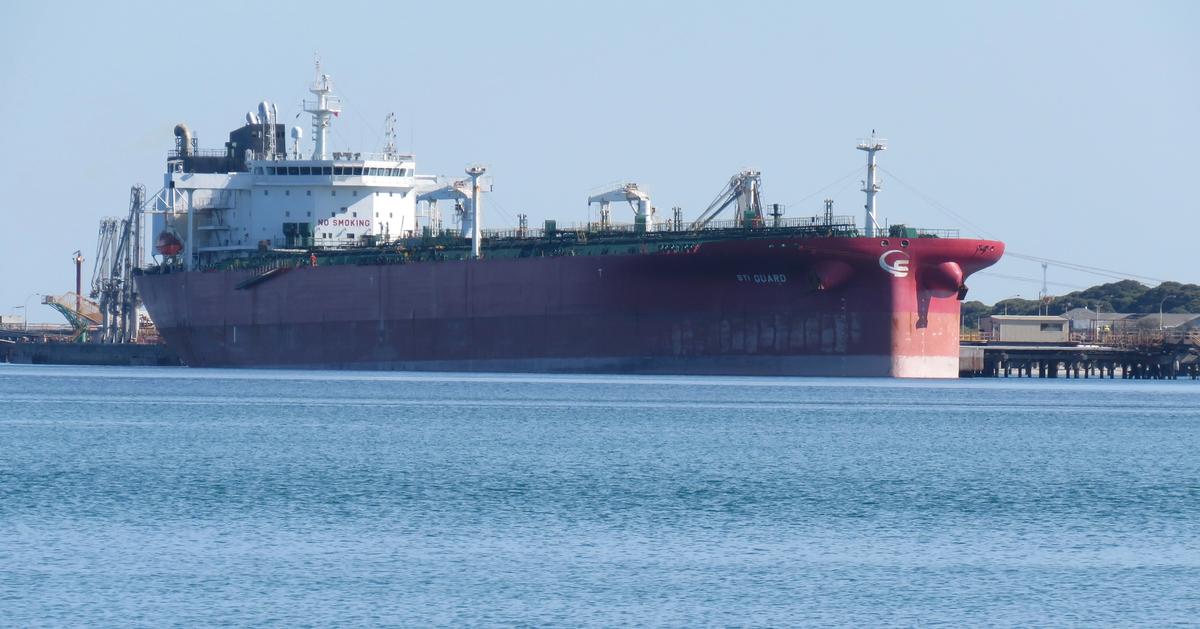
Brent crude fell 6.2% to $97.10 on Monday as the United States and Iran signalled progress toward a deal that could end the conflict and reopen the Strait of Hormuz. Emerging-market stocks and currencies rose in parallel, with the MSCI Emerging Markets Index gaining 1.3%.
What Happened
US Secretary of State Marco Rubio told reporters on Sunday that there were "good signs" a peace agreement was within reach, though he cautioned that any deal would be "unfeasible" if Iran sought to permanently control shipping through the Strait. Talks have focused on Iran's enriched uranium stockpile and the terms under which the Strait would reopen to commercial traffic.
Oil markets moved sharply on the news. Brent had previously traded above $103 a barrel this month as the Iran blockade disrupted shipping and pushed energy prices higher. Monday's drop to $97.10 represents the single largest daily decline since the conflict began.
- Brent crude: -6.2%, settling at $97.10/barrel
- MSCI Emerging Markets Index: +1.3%
- US markets: closed for Memorial Day
Why It Matters for Investors
The Hormuz strait carries an estimated 20% of global oil trade. Continued disruption has added roughly 15-20% to energy costs since late 2025, feeding into consumer prices across import-dependent economies.
For investors, the oil price move has direct portfolio implications. Energy sector allocations have outperformed broader indices through the conflict period, meaning a sustained fall in crude would shift the relative performance picture. A deal that brings oil sustainably below $90 would also ease inflation pressure, which in turn affects the Federal Reserve's rate path.
The 30-year Treasury yield hit 5.2% last week, its highest level since 2007, partly driven by persistent inflation fears. Any softening in energy prices reduces that pressure and improves the outlook for long-duration bonds. Investors holding mixed portfolios should monitor the correlation closely.
The Strait of Hormuz and the IEA Warning
The International Energy Agency warned last month that if the Strait did not reopen by summer, global oil supply would enter a "red zone" with insufficient capacity to offset Iranian production losses. That timeline has driven urgency on the US side.
Iran's position has complicated negotiations. Tehran has demanded international recognition of its right to collect transit fees from vessels passing through the Strait, a condition Washington describes as unacceptable. Whether a compromise is reachable remains uncertain.
What to Watch Next
The US resumes trading on Tuesday after the Memorial Day holiday. Key data this week includes April consumer confidence on Tuesday, April new home sales on Wednesday, and the first revision of Q1 GDP on Thursday. April PCE price index data arrives on Thursday as well, and will be scrutinised for signs of cooling inflation.
If talks collapse or stall, oil prices could reverse sharply. The IEA's "red zone" scenario for summer supply remains live.
Keep reading
Related trends
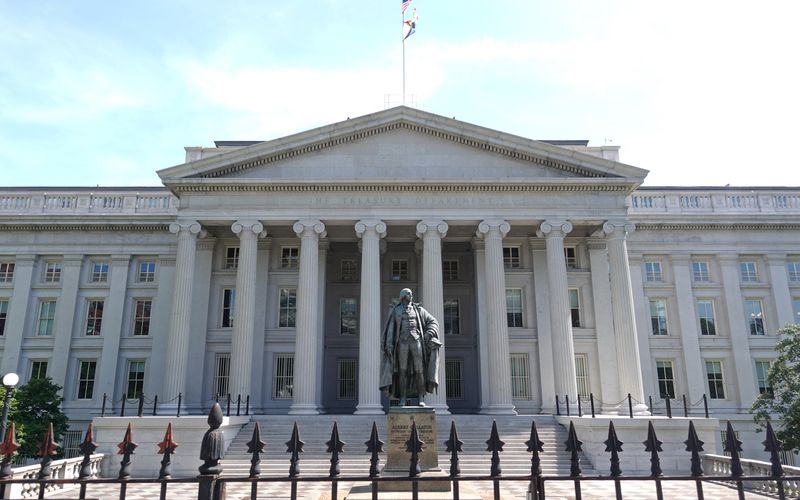
US Sells 30-Year Bonds at Highest Yield Since 2001 as Deficit Widens
The US paid 5.216% to sell 30-year debt on Aug 13, the highest rate since 2001, as a widening deficit and AI-debt issuance pressure Treasuries.
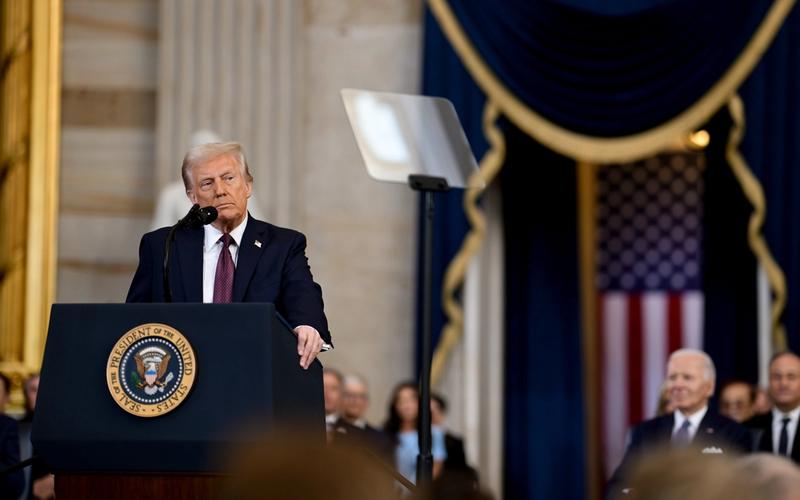
Oil Slides, Wall Street Futures Rise as Trump Signals Iran War Deal Is Near
Oil fell and US stock futures rose after Trump said Mideast allies reached a deal outline to end the Iran war, with Hormuz Strait talks starting Monday.
Fed Holds Rates as Three Dissents Push Treasury Yields to Decade Highs
The Fed held rates at 3.50%-3.75% on July 29, but three dissenting votes for a hike sent stocks lower and pushed 30-year Treasury yields to an 18-year high.
Your complete net worth, finally in one place.
Join investors using Findex to consolidate, track, and grow their portfolios. One view of everything you own.
No payment information required.