
Eurozone Inflation Cools to 2.8% in June, Narrowing the Case for Another ECB Rate Hike
Eurozone inflation eased to 2.8% in June from 3.2% in May, narrowing the case for another ECB rate hike ahead of its July 24 policy meeting.
Eurozone inflation eased to 2.8% in June, down from 3.2% in May, according to final figures Eurostat published on Monday. It is the first monthly decline since prices began accelerating in January, and the reading lands three days before the European Central Bank's July 24 policy meeting.
What happened
Eurostat confirmed its earlier estimate: headline euro-area inflation slowed to 2.8% year-on-year in June. The disinflation was broad-based rather than driven by a single category.
- Core inflation (excludes food and energy): 2.4%, down from 2.6%
- Energy inflation: 8.5%, down from 10.8%, still elevated after the Middle East conflict pushed oil prices higher earlier this year
- Services inflation: 3.2%, down from 3.5%
- Inflation fell in 22 of the EU's 27 member states
Among the bloc's four largest economies, Germany posted 2.4%, France 2.0%, Italy 3.0%, and Spain 3.6%. The spread between the lowest and highest readings narrowed compared with May, a sign the slowdown is not concentrated in one part of the currency bloc.
Why it matters
The ECB raised its deposit facility rate from 2% to 2.25% in June, its first increase in nearly three years, after the standoff around the Strait of Hormuz pushed Brent crude and headline inflation higher. June's softer print weakens the argument for a second hike. Markets now largely expect the Governing Council to hold rates steady on July 24, with the next move priced as a cut rather than a rise.
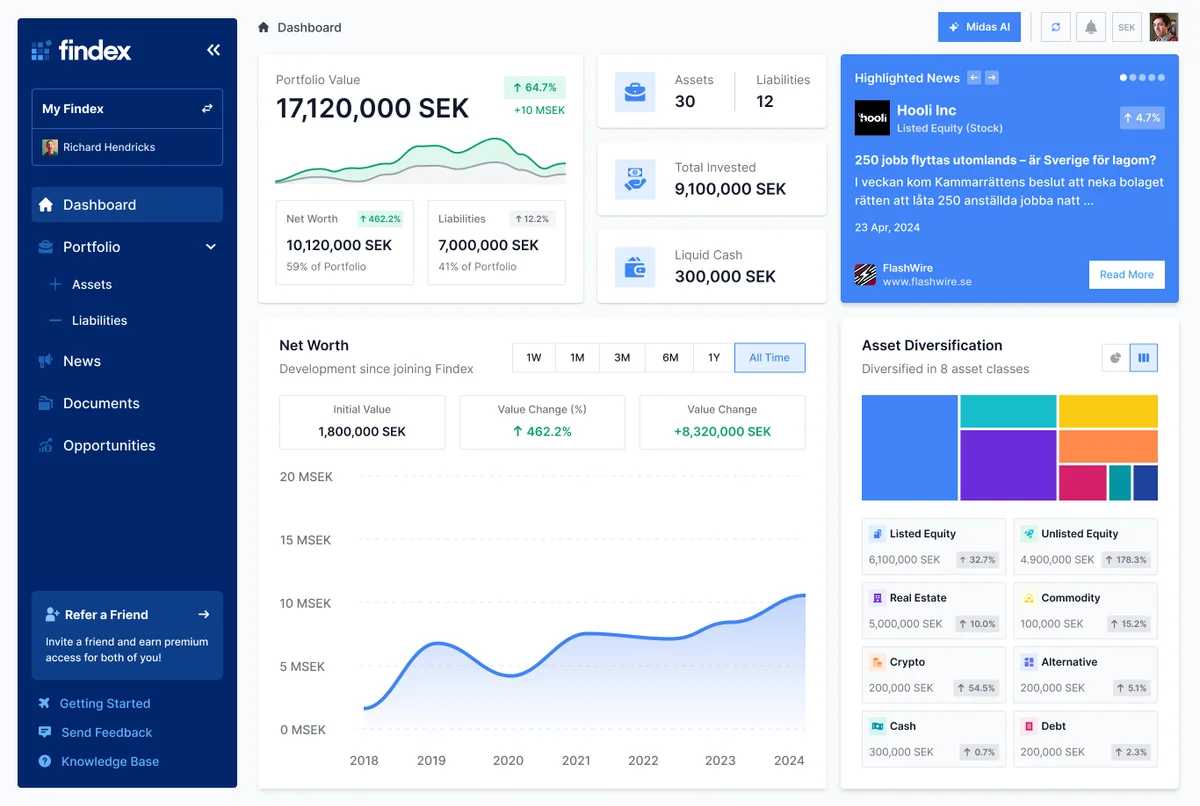
For investors, the direction of ECB policy affects both sides of a portfolio at once. Lower rate expectations tend to support government bond prices and rate-sensitive equity valuations, while a change in the euro's trajectory alters the return on non-euro holdings once translated back into the currency. Investors holding positions across multiple European brokers and currencies feel a policy shift like this across bonds and equities simultaneously, not one asset class at a time. A portfolio view that spans every account and currency makes that combined effect visible instead of scattered across separate statements.
What to watch next
The Governing Council announces its decision on Thursday, July 24. Beyond the rate call itself, investors are watching the accompanying guidance for signs of when the ECB expects to start cutting, with some economists penciling in late 2026 or early 2027. Energy costs remain the swing factor: renewed escalation around the Strait of Hormuz could reverse June's progress on the inflation print before the ECB's next scheduled meeting in September. A firmer signal on timing, in either direction, is likely to move eurozone bond yields more than the June inflation data itself.
Keep reading
Related trends

10-Year Treasury Yield Hits Highest Level Since 2007 as AI Safety Fears Slam Chip Stocks
The 10-year Treasury yield hit 5.04% on Tuesday as AI safety warnings from Anthropic and OpenAI triggered a chip-stock selloff ahead of the Fed's rate decision.

ECB Raises Rates to 2.50% as Iran War Fuels Euro Zone Inflation
The ECB lifted its deposit rate to 2.50% on September 10, its second hike this cycle, as energy inflation from the Iran conflict pushes prices higher.

Oil Nears $100 as Iran-Oman Hormuz Deal Nears Final Stage
Brent crude hit $97 as Iran and Oman near a Hormuz shipping deal, reviving inflation fears ahead of Friday's US CPI print and the Fed's next move.
Your complete net worth, finally in one place.
Join investors using Findex to consolidate, track, and grow their portfolios. One view of everything you own.
No payment information required.