
EU Bans Payment for Order Flow as Germany's Last Exemption Expires
From 30 June, every EU broker must stop accepting payments for routing client orders to trading venues, as Germany's temporary MiFIR carve-out ends.
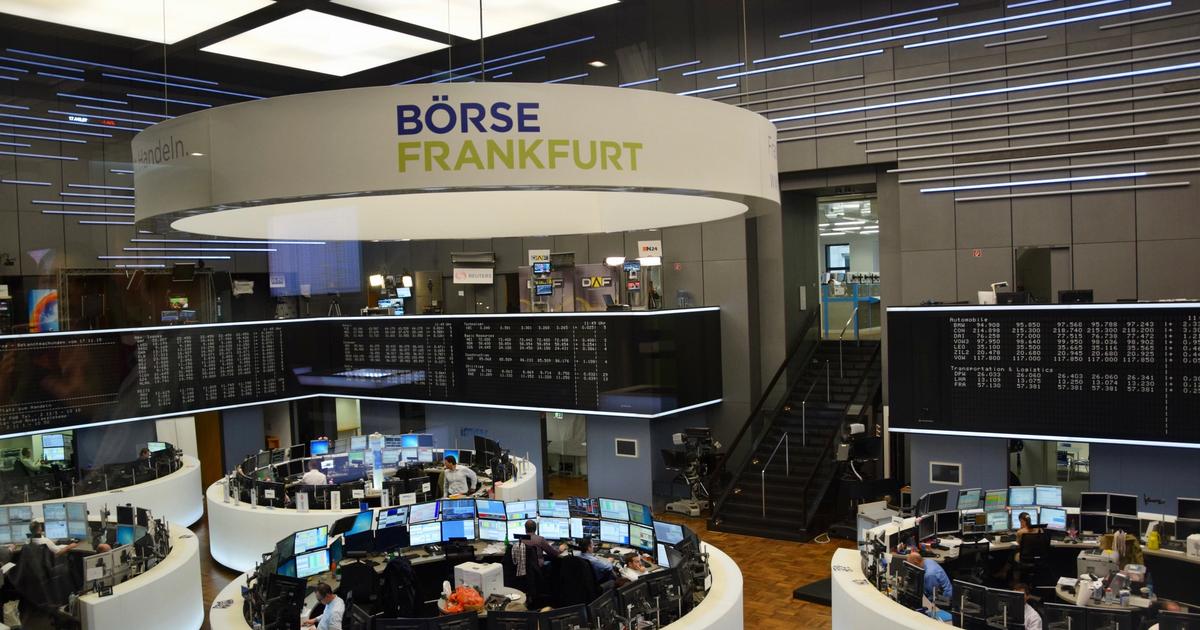
Payment for order flow is prohibited across the European Union from today, 30 June 2026, as Germany's two-year transitional exemption under MiFIR Article 39a expires. Every EU-regulated broker must now fund execution services through spreads, commissions, subscriptions or its own trading venue rather than through payments from third-party market makers.
What Happened
Article 39a of the revised Markets in Financial Instruments Regulation entered into force in March 2024. It prohibits brokers from accepting payments from market makers in exchange for directing client orders to their venues. Most EU member states, including France, the Netherlands, Sweden, Italy and Spain, had banned or never meaningfully adopted the practice. Germany was the only member state to formally notify ESMA of its use of the transitional exemption.
That exemption ended at midnight on 29 June.
- Article 39a of MiFIR applies to all 27 EU member states from 30 June 2026
- Germany was the sole EU member state to invoke the transitional carve-out, citing concern over disruption to its neobroker sector
- The ban does not prohibit commission-free trading; it removes the revenue stream that made zero-commission models profitable
- Trade Republic received a BaFin licence in January 2026 to operate a multilateral trading facility, allowing it to internalise client order flow
- Scalable Capital operates through its own European Investor Exchange with a subscription-based pricing model
Why It Matters for Investors
The change alters how European retail investors' orders reach the market, with consequences for execution quality and pricing.
Under PFOF, brokers routed orders to the market maker offering the highest rebate. Critics argued this was structurally incompatible with MiFID II best-execution obligations. Proponents maintained that rebates subsidised zero-commission accounts, lowering the cost of investing for retail clients.
Under the post-ban structure, neobrokers running in-house venues now act as both the order gateway and the execution venue. ESMA has stated this arrangement creates its own conflict of interest, and supervisors will monitor whether retail investors receive fill prices comparable to those available on independent external venues.
What to Watch
For Swedish investors, the deadline changes little. Sweden never permitted PFOF. Avanza and Nordnet operate on explicit commission and fee structures; their order routing is unaffected.
Investors with positions through German neobrokers should request execution quality reports, which MiFID II requires brokers to publish quarterly. These reports compare actual fill prices against the European Best Bid and Offer.
ESMA is expected to publish the EU's first consolidated tape for equities and ETFs later in 2026, a parallel MiFIR reform that will make European market data accessible in a single feed across all venues.
Keep reading
Related trends

John Ternus Becomes Apple CEO as Tim Cook Steps Into Chairman Role
John Ternus becomes Apple CEO on September 1, ending Tim Cook's 15-year run, as investors weigh what the leadership change means for index-heavy portfolios.
Nvidia Jumps 7% on Blowout Earnings, Deepening Its Grip on the S&P 500
Nvidia's fiscal second-quarter results and a 70% revenue growth forecast lifted global chip stocks and pushed its S&P 500 weighting toward a record 7.8%.
Shein Prices Hong Kong IPO at $27 Billion, Down 70% From Its Private Peak
Shein's Hong Kong IPO values the fast-fashion retailer at up to $27bn, a 70% drop from its 2022 peak, after failed listings in New York and London.
Your complete net worth, finally in one place.
Join investors using Findex to consolidate, track, and grow their portfolios. One view of everything you own.
No payment information required.