
US Sells 30-Year Bonds at Highest Yield Since 2001 as Deficit Widens
The US paid 5.216% to sell 30-year debt on Aug 13, the highest rate since 2001, as a widening deficit and AI-debt issuance pressure Treasuries.
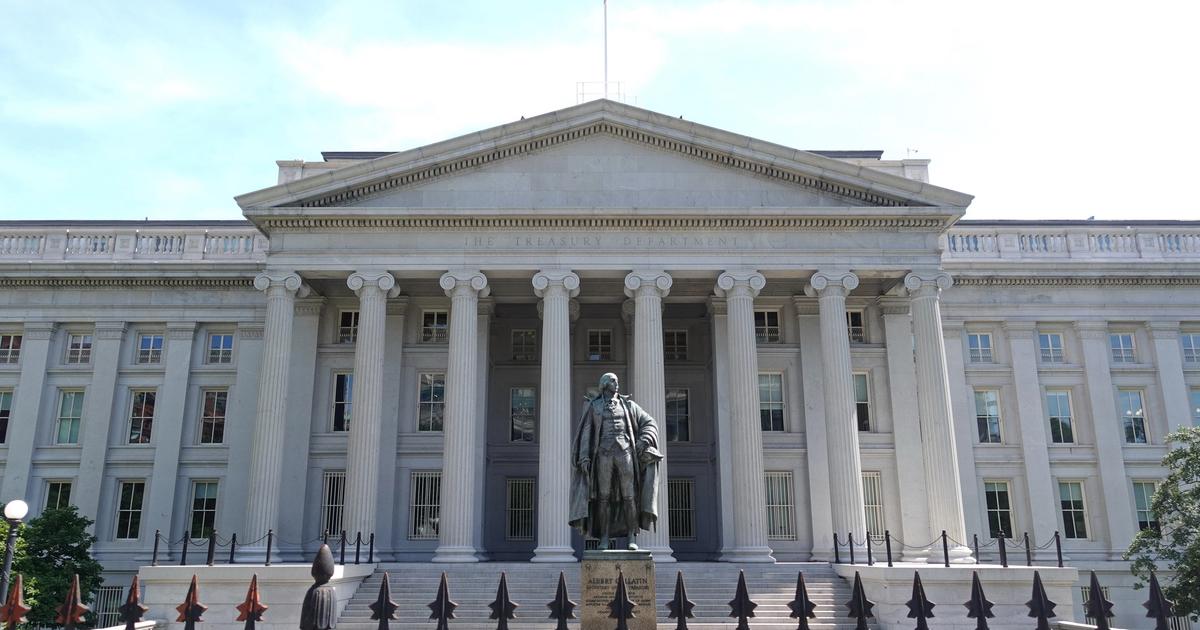
The US Treasury sold $25 billion in 30-year bonds on Thursday at a yield of 5.216%, the highest rate for that maturity since 2001. The sale came a day after a 10-year auction drew the highest financing cost for that tenor since 2007, marking two consecutive days of the costliest long-term borrowing the US government has faced in decades.
What happened
The 30-year auction priced above where the bond traded in the secondary market ahead of the sale, a signal that demand required a discount to clear. The yield eased slightly to 5.24% by Thursday's close, still among the highest levels since 2007.
Two forces are driving the move:
- A widening deficit. The Treasury Department reported a $432.3 billion budget shortfall in July, the largest monthly deficit since March 2021.
- AI-linked corporate debt issuance. A wave of bond sales to fund AI infrastructure build-outs is competing with government debt for the same pool of long-term capital, adding further supply pressure at the long end of the curve.
Why it matters
Long-term Treasury yields set the discount rate used to value future corporate earnings. When 30-year yields climb toward levels last seen a quarter-century ago, that discount rate rises with them, and equity valuations, particularly for long-duration growth stocks, come under pressure. Higher yields also make Treasuries a more competitive alternative to stocks for investors seeking income.
The timing is notable. The same week the 30-year yield hit its 25-year high, the S&P 500 closed at a record 7,798.99, its 27th record close of the year, lifted by cooling July inflation data. CNBC framed the divergence directly: the bond market is signaling trouble ahead for stocks, even as equity indices keep setting new highs.
What to watch next
The gap between record equity prices and rising long-term borrowing costs will not close quietly. Watch for:
- Whether the deficit trend continues into August reporting
- How much additional AI-infrastructure debt reaches the market before year-end
- Whether the Federal Reserve's next policy meeting addresses long-end yield pressure directly, or leaves it to the market
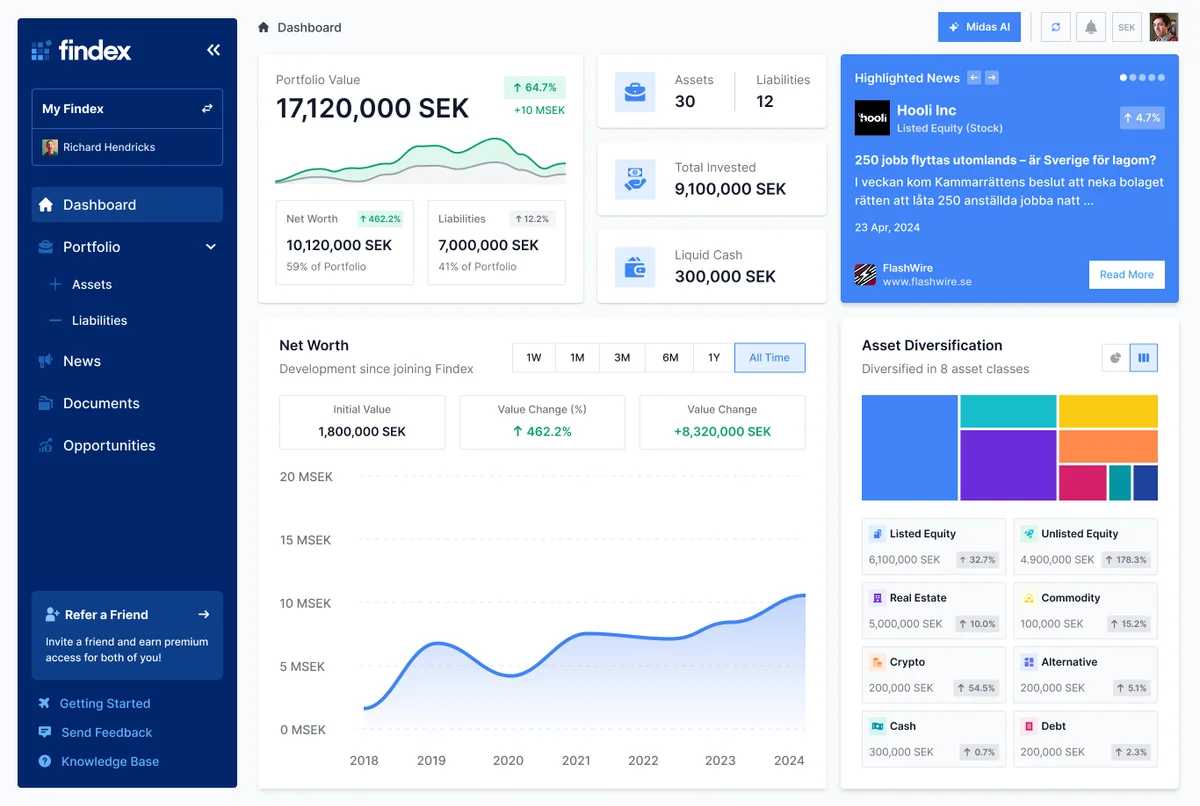
For investors holding both equities and fixed income, a widening spread between record stock prices and rising bond yields is a reminder that net worth is rarely moving in one direction across every asset class at once. Portfolio trackers that show equities, bonds, and cash in a single view make that divergence visible before it shows up in a single quarter's returns.
Keep reading
Related trends
RBA Raises Cash Rate to 4.60%, a 15-Year High, on Energy-Driven Inflation
The Reserve Bank of Australia raised its cash rate 25bp to 4.60%, a 15-year high and its fourth hike of 2026, citing energy-driven inflation risks.

Oil and Bond Yields Surge as Trump Rejects Iran's Hormuz Proposal
Trump's rejection of Iran's Hormuz proposal sent oil toward $107 a barrel and pushed the 10-year Treasury yield to its highest level since 2007.

Global Bond Selloff Pushes 30-Year Treasury Yield to Highest Since 2004
A worldwide bond selloff has pushed US 30-year Treasury yields to their highest since 2004, driven by inflation, deficits and rising oil prices.
Your complete net worth, finally in one place.
Join investors using Findex to consolidate, track, and grow their portfolios. One view of everything you own.
No payment information required.