Bank Earnings Kick Off Q2 Season as Wall Street Eyes a Second Quarter of 20%-Plus Profit Growth
JPMorgan, Wells Fargo and Citigroup report Tuesday as FactSet forecasts 23% S&P 500 profit growth, the second straight quarter of 20%-plus gains.

JPMorgan Chase, Wells Fargo and Citigroup report second-quarter results before Tuesday's opening bell, opening a US bank earnings season that FactSet expects to show S&P 500 profit growth of 23.3% year over year, the second consecutive quarter above 20%.
What Happened
The five largest US banks report within 24 hours of each other this week:
- Tuesday, July 14, before market open: JPMorgan Chase, Wells Fargo, Citigroup
- Wednesday, July 15: Bank of America, Morgan Stanley, Goldman Sachs
Wall Street consensus points to a strong quarter across the group. JPMorgan is expected to post earnings per share of roughly $5.44 to $5.61, up about 10% from a year earlier, driven by investment banking fees and trading revenue. Goldman Sachs is forecast to report EPS near $14.47, up more than 32%, on what analysts describe as blockbuster trading and advisory activity. Bank of America is expected to earn $1.12 a share on $30.7 billion in revenue, up around 25%.
Options markets are pricing in meaningful single-day price swings once results land: 6.0% for Goldman Sachs, 5.5% for Citigroup and Wells Fargo, 4.5% for Bank of America and 4.4% for JPMorgan.
Why It Matters
Banks report first each earnings season, and their results set the tone for the rest of the S&P 500. FactSet's Q2 2026 earnings growth estimate has climbed to 23.3% from 18.8% at the start of the quarter, marking the seventh consecutive quarter of double-digit index-wide growth. Revenue growth is estimated at 12.2%, the highest since Q2 2022.
Net interest margin, the spread between what banks earn on loans and what they pay on deposits, is the figure analysts are watching most closely. It shows whether a higher-for-longer rate environment is still boosting bank profitability or beginning to squeeze it as deposit costs catch up.
Energy and technology remain the two sectors doing the most work for the index-wide number. Energy earnings estimates are up 61.5% for the quarter, and Information Technology is up 8.7%, with 44 technology companies issuing positive guidance ahead of reporting, the most of any sector.
What to Watch Next
Tuesday brings both JPMorgan's results and the US consumer price index, a combination that could move rate expectations twice before lunch. Fed Chair Kevin Warsh delivers his first congressional testimony the same day. Renewed fighting between the US and Iran, and Tehran's disputed closure of the Strait of Hormuz, add an energy-price wildcard that could show up in bank trading desks' commodity exposure before the week is out.
The reporting calendar widens from there: Morgan Stanley and BlackRock on Wednesday, ASML and TSMC on Thursday, and Netflix closing out the week's technology reads.
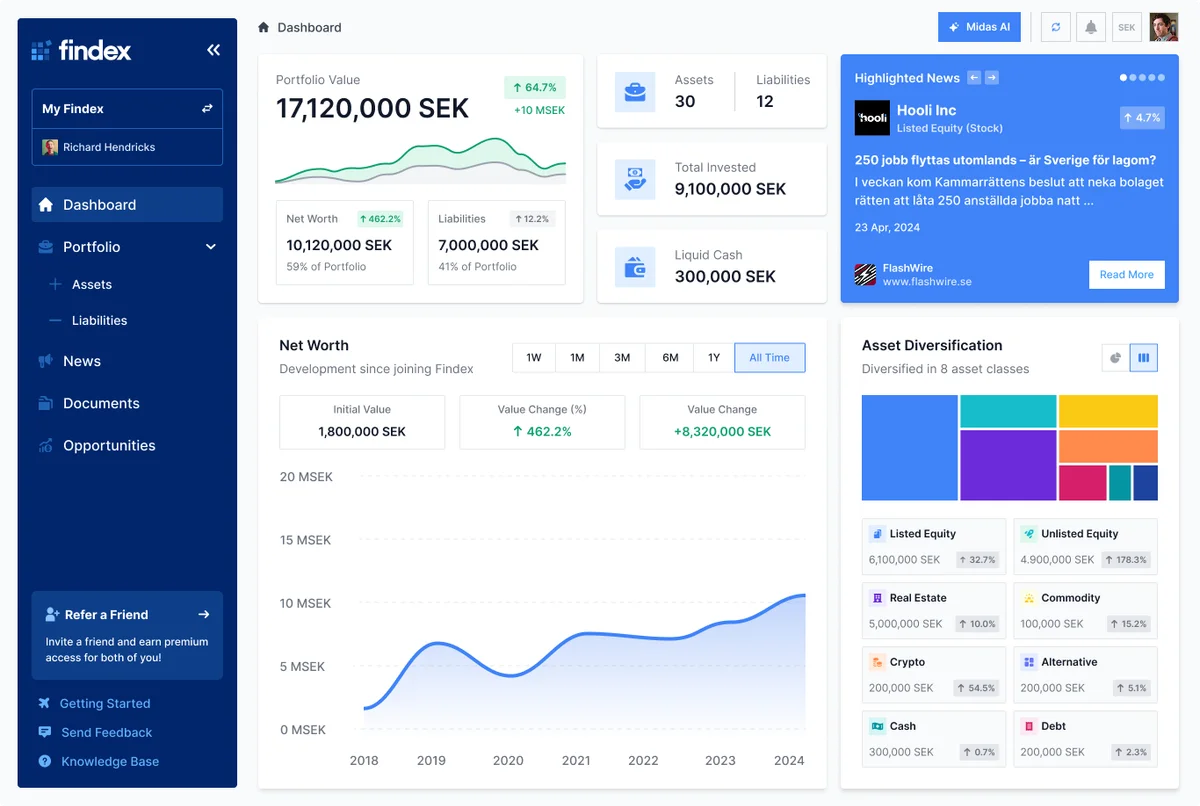
Portfolio trackers that break down sector-level exposure make it easier to see how this week's bank results flow through into a diversified equity allocation, not just financial-sector holdings.
Keep reading
Related trends
RBA Raises Cash Rate to 4.60%, a 15-Year High, on Energy-Driven Inflation
The Reserve Bank of Australia raised its cash rate 25bp to 4.60%, a 15-year high and its fourth hike of 2026, citing energy-driven inflation risks.

Oil and Bond Yields Surge as Trump Rejects Iran's Hormuz Proposal
Trump's rejection of Iran's Hormuz proposal sent oil toward $107 a barrel and pushed the 10-year Treasury yield to its highest level since 2007.
Global Bond Selloff Pushes 30-Year Treasury Yield to Highest Since 2004
A worldwide bond selloff has pushed US 30-year Treasury yields to their highest since 2004, driven by inflation, deficits and rising oil prices.
Your complete net worth, finally in one place.
Join investors using Findex to consolidate, track, and grow their portfolios. One view of everything you own.
No payment information required.